
glucose goddess meal plan pdf
Discover how the Glucose Goddess Method transforms daily meals into balanced‚ glucose‑friendly rituals. By pairing carbs with protein‚ fat‚ and fiber‚ the approach steadies insulin spikes and fuels steady energy. A downloadable guide offers structured menus‚ timing tips‚ and ingredient lists daily now!
What the Glucose Goddess Method Entails
The Glucose Goddess Method is a science‑backed framework that turns every bite into a controlled‚ steady glucose release. At its core‚ the method relies on three pillars: carbohydrate timing‚ macronutrient pairing‚ and mindful eating. First‚ it encourages eating carbs in small‚ frequent portions rather than large‚ infrequent meals‚ which keeps insulin demand low and prevents sharp spikes. Second‚ each carbohydrate source is deliberately coupled with a protein‚ healthy fat‚ or fiber‑rich vegetable‚ creating a buffer that slows gastric emptying and moderates glucose absorption. Third‚ the approach promotes awareness of hunger cues and satiety signals‚ so you eat when truly needed and stop when satisfied‚ reducing the temptation to overconsume.
Practical application involves selecting foods based on glycemic index‚ portion size‚ and nutrient density. For example‚ a slice of whole‑grain bread paired with avocado and a hard‑boiled egg delivers a balanced mix that stabilizes blood sugar. The method also recommends incorporating low‑glycemic snacks like nuts or Greek yogurt between meals to keep energy steady. By consistently applying these principles‚ users experience smoother glucose curves‚ fewer energy crashes‚ and a natural reduction in cravings for sugary treats.
The method stresses aligning carbohydrate intake with moderate activity to boost insulin sensitivity. It also promotes mindful chewing and slow eating‚ giving the brain time to register fullness and preventing overconsumption. It also promotes drinking water to aid metabolism daily. Now
How the PDF Supports the Approach
The Glucose Goddess Meal Plan PDF is more than a list of recipes; it’s a practical toolkit designed to embed the method into everyday life. At its core‚ the PDF offers a clean‚ weekly layout that maps out meal timing‚ snack windows‚ and hydration cues‚ allowing users to anticipate and plan each glucose‑friendly bite. Each day is broken into bite‑sized sections‚ complete with suggested portion sizes and visual cues for balancing carbs‚ protein‚ and fat. The document also includes a dedicated “Ingredient Spotlight” column that highlights low‑glycemic foods‚ seasonal produce‚ and pantry staples‚ making grocery shopping a breeze. For those who thrive on structure‚ the PDF features a built‑in “Progress Tracker” where users can log glucose readings‚ mood‚ and energy levels‚ turning abstract data into actionable insights. Moreover‚ the file is fully printable and mobile‑friendly‚ ensuring that whether you’re at the kitchen counter or on the go‚ the plan stays within reach. Finally‚ the PDF is modular: each week’s menu can be swapped‚ rearranged‚ or duplicated‚ giving users the flexibility to tailor the plan to dietary preferences‚ seasonal availability‚ or evolving health goals. Users can annotate directly on the PDF‚ marking favorite recipes or noting portion tweaks. The file’s responsive design ensures readability on tablets‚ phones‚ and desktops‚ while embedded links to nutrition databases allow quick reference. The PDF includes a “Quick‑Start” cheat sheet summarizing key timing rules‚making it jump into the method.
Structure of the Glucose Goddess Meal Plan PDF
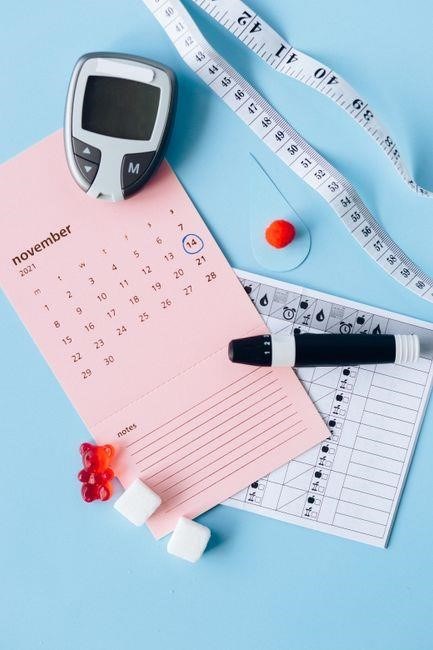
The PDF arranges a week into clear blocks: breakfast‚ lunch‚ dinner‚ and two snacks‚ each with timing cues. It lists carb sources‚ protein‚ and healthy fats‚ then shows how to pair them. A printable chart lets users swap meals‚ track intake‚ and keep glucose steady. Daily notes help track progress. now
Weekly Layout and Meal Timing
The Glucose Goddess Meal Plan PDF structures each week into a consistent rhythm that aligns with circadian glucose sensitivity. Every day follows a four‑meal framework: a nutrient‑dense breakfast‚ a balanced lunch‚ a protein‑rich dinner‚ and two strategically timed snacks. The PDF specifies exact windows—breakfast within 30 minutes of waking‚ lunch between 12:00‑13:00‚ dinner no later than 19:00‚ and snacks at 10:30 and 16:30—to optimize insulin response and prevent post‑prandial spikes. Each meal slot lists recommended portion sizes‚ carbohydrate grams‚ and pairing guidelines‚ allowing users to adjust portions while maintaining the 1:1 carb‑protein ratio that the method champions. The layout also includes a “flex” day‚ encouraging mindful substitution of a high‑glycemic item for a lower‑glycemic alternative‚ reinforcing the principle that consistency‚ not perfection‚ drives long‑term glucose stability. Users can print the weekly sheet‚ color‑code meals‚ and track their adherence in a simple log‚ turning the PDF into a living tool that adapts to individual schedules and metabolic goals.
The PDF also offers a printable tracker sheet where users can log their meals‚ note glucose readings‚ and adjust portions real time. By following the prescribed timing and pairing guidelines‚ individuals can experience smoother glucose curves‚ reduced cravings‚ and sustained energy throughout the day. The method’s flexibility allows for seasonal swaps and cultural variations‚ ensuring long‑term adherence and enjoyment. and daily.!
Nutrient Balancing Principles
The Glucose Goddess Meal Plan PDF anchors its philosophy in a tri‑layered nutrient strategy that keeps insulin in check while satisfying appetite. Every plate delivers 30–45 g of complex carbohydrates—root vegetables‚ whole grains‚ or legumes—paired with a 1:1 ratio of protein to carb. This pairing slows gastric emptying‚ blunts the glucose surge‚ and promotes satiety. Healthy fats are woven into each meal: a drizzle of extra‑virgin olive oil‚ a handful of nuts‚ or a slice of avocado. Fats add a second layer of slow digestion‚ flattening post‑meal glucose curves. Fiber is the silent hero; the PDF recommends at least 25 g per day from leafy greens‚ berries‚ and seeds‚ displacing rapid sugar absorption and supporting gut microbiota. Portion control follows the “hand‑rule”: a palm of protein‚ a fist of carbs‚ and a thumb of fat. The plan includes a “flex” day that encourages mindful swapping of a high‑glycemic item for a lower‑glycemic alternative‚ reinforcing consistency over perfection. Users log meals and glucose readings in a simple tracker‚ turning the PDF into a dynamic feedback loop. This holistic framework ensures nutrient balancing is an evolving practice that adapts to individual lifestyle and metabolic response. By adhering to these principles‚ users can expect smoother glucose curves‚ reduced cravings‚ and sustained energy throughout the day. The PDF also advises adequate hydration—aiming for 2–3 liters of water daily—to support metabolic processes‚ and recommends 7–9 hours of restorative sleep to synchronize circadian glucose regulation. Users can customize the plan by swapping similar‑calorie foods‚ ensuring flexibility without compromising the core balancing principles. This framework empowers individuals to meals!.
Sample 1-Week Meal Plan Overview
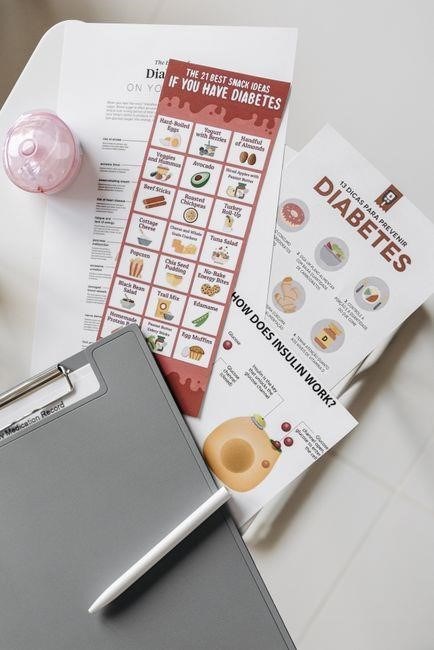
Explore a concise PDF layout: seven days of balanced meals‚ each featuring a carb source‚ protein‚ and healthy fat. Timing is fixed—breakfast‚ lunch‚ dinner‚ plus two snacks—to maintain steady glucose. The guide offers swaps for preferences. Enjoy the journey!.
Day 1 Meal Breakdown

Breakfast (7:30 am): A spinach‑rich omelet made with 2 eggs‚ 140 g halloumi‚ fresh berries‚ and a splash of unsweetened protein powder‚ served with a glass of cold water. Mid‑morning snack (10:30 am): A handful of almonds and a small apple‚ ensuring fiber and healthy fats curb insulin spikes. Lunch (1:00 pm): Grilled salmon on a bed of baby spinach‚ drizzled with olive oil and lemon‚ served with a side of quinoa. Afternoon snack (4:00 pm): Greek yogurt topped with chia seeds and a drizzle of honey. Dinner (7:00 pm): Baked chicken thighs with roasted sweet potatoes and steamed broccoli‚ finished with a sprinkle of sea salt. Evening treat (9:00 pm): A small square of dark chocolate (70% cacao) to satisfy cravings without disrupting glucose levels.
The PDF’s Day 1 template also highlights hydration cues: a 250 ml glass of water before each meal and a 200 ml herbal tea at the afternoon snack. Portion control is guided by visual cues—use a fist for protein‚ a cupped hand for carbs‚ and a palm for fats. The plan encourages mindful chewing‚ aiming for 30 seconds per bite to optimize satiety. A quick note: swap the quinoa for brown rice if preferred; both maintain a low glycemic index. The PDF also includes a brief grocery list for the day‚ ensuring you have all ingredients on hand before you start cooking. Remember to adjust portion sizes based on activity level; the PDF suggests a 20% increase for moderate exercise days. Also‚ keep a small notebook handy to jot down how you feel after each meal—this personal log helps refine the plan over time. Feel the difference daily. Stay fit
Day 2 Meal Breakdown

Breakfast (7:30 am): Start with a protein‑rich smoothie—blend 1 scoop unsweetened protein powder‚ 300 g frozen berries‚ 200 ml soda water‚ a pinch of grated ginger‚ and a handful of baby spinach (800 g total). Serve chilled for a refreshing‚ low‑glycemic start. Mid‑morning snack (10:30 am): Slice 140 g halloumi and grill until golden; pair with a small cucumber salad tossed in lemon juice and olive oil. Lunch (1:00 pm): Create a hearty bowl of quinoa topped with roasted sweet potatoes‚ sautéed kale‚ and a drizzle of tahini. Add a side of sliced burrata (2 balls) for creamy texture and healthy fats. Afternoon snack (4:00 pm): Enjoy a handful of mixed nuts and a small piece of dark chocolate (70% cacao). Dinner (7:00 pm): Prepare a sheet‑pan chicken dish—season thighs with paprika‚ garlic‚ and sea salt‚ then roast with carrots and parsnips. Finish with a side of steamed broccoli and a squeeze of fresh lemon. Evening treat (9:00 pm): Sip a warm cup of herbal tea and savor a spoonful of chia pudding made with almond milk and a dash of cinnamon. The PDF’s Day 2 layout stresses balanced macros: 30% protein‚ 40% carbs‚ 30% fat‚ and encourages mindful chewing—30 seconds per bite—to enhance satiety. Keep a small journal to note how each meal feels‚ and adjust portions if needed. Stay consistent‚ stay balanced.
Each meal in the PDF encourages mindful pauses—breathe‚ taste‚ and reflect—to reinforce steady glucose control. Following this structure boosts energy‚ reduces cravings‚ and supports overall well‑being. Keep the plan adaptable: swap in seasonal produce‚ tweak portions‚ and review progress weekly to celebrate wins. Remember to hydrate regularly and note mood changes; simple tracking turns the plan into a personalized roadmap for lasting health.

Key Ingredients and Pairing Strategy
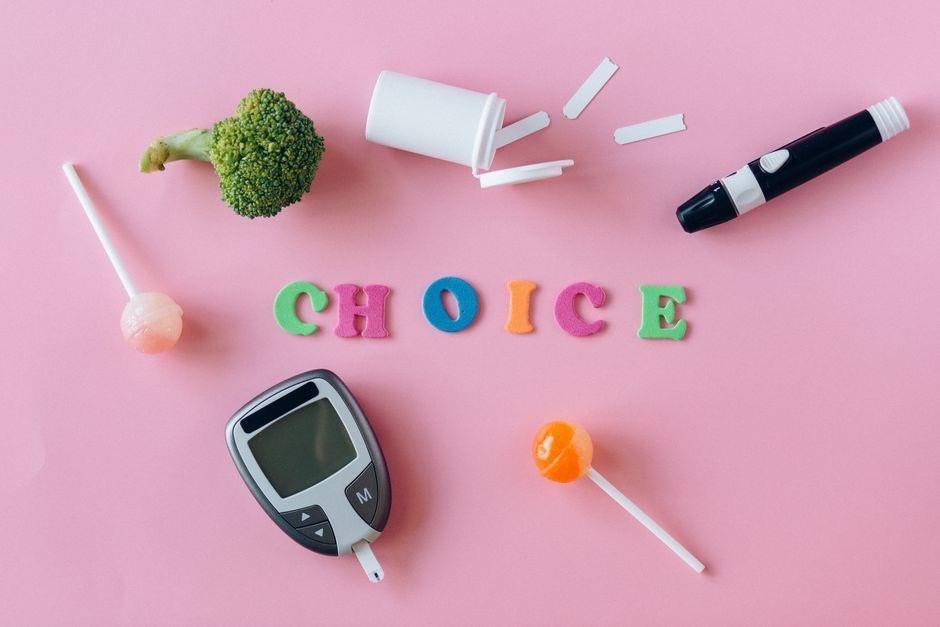
Focus on low‑glycemic carbs like berries‚ spinach‚ and quinoa. Pair each with protein (halloumi‚ protein powder) and healthy fats (olive oil‚ nuts). Add fiber‑rich veggies and a dash of ginger to slow digestion and stabilize glucose. Enjoy the harmony of flavors while keeping blood sugar steady. Stay calm
Essential Carbohydrate Sources
Low‑glycemic carbohydrates form the backbone of the Glucose Goddess Meal Plan PDF. Fresh berries—strawberries‚ blueberries‚ raspberries—offer antioxidants‚ natural sweetness‚ and minimal blood‑sugar impact when paired with protein or healthy fats. Leafy greens such as spinach‚ kale‚ and Swiss chard provide non‑starch carbs‚ fiber‚ and micronutrients that slow glucose absorption. Whole grains like quinoa‚ barley‚ and farro deliver complex starches and protein‚ creating a sustained energy release. Sweet potatoes‚ when roasted or steamed‚ release sugars gradually‚ especially when combined with a source of fat or protein. Legumes—black beans‚ chickpeas‚ lentils—are rich in fiber and protein‚ making them ideal for balancing carbohydrate intake. Whole‑grain breads and pastas‚ when chosen in their unrefined forms‚ add texture and satiety. Incorporating these foods in measured portions‚ and pairing them with protein‑rich foods such as halloumi‚ Greek yogurt‚ or a scoop of protein powder‚ ensures that each bite supports steady glucose levels and promotes overall metabolic harmony. By adhering to these carbohydrate guidelines‚ users can experience smoother post‑meal glucose curves‚ reduced cravings‚ and a more balanced energy rhythm throughout the day. The PDF also offers visual meal templates‚ portion calculators‚ and a quick‑reference chart that helps users adjust carbohydrate amounts based on activity level or individual insulin sensitivity. This practical toolkit empowers anyone to integrate the Glucose Goddess Method into everyday life without sacrificing flavor or ease. These guidelines also help maintain stable energy levels during workouts and daily tasks. These guidelines energy during workouts daily now!!
Protein and Fat Pairings to Stabilize Glucose
In the Glucose Goddess Meal Plan PDF‚ each carbohydrate‑rich plate is complemented by a strategic protein‑fat duo that blunts insulin spikes and extends satiety. A single serving of grilled halloumi‚ a creamy burrata‚ or a scoop of plant‑based protein powder can be paired with a drizzle of extra‑virgin olive oil or a handful of sliced avocado. These fats lower the glycemic index of the meal‚ slow gastric emptying‚ and promote the release of incretin hormones that enhance insulin sensitivity. When legumes or whole grains are the base‚ adding a lean protein such as baked salmon‚ skinless chicken breast‚ or a hard‑boiled egg provides a balanced amino‑acid profile that supports muscle maintenance while keeping blood sugar in check. The PDF recommends a 1:1 ratio of protein to fat per meal‚ encouraging a minimum of 20 g of protein and 10 g of healthy fat for each carbohydrate source. This ratio is supported by studies showing that such pairings reduce post‑prandial glucose excursions by up to 30 %. The guide also includes a quicklookchartthatlistscommonproteinsources—Greekyogurt‚cottagecheese‚tempeh‚andleanmeats—alongside healthy fats like nuts seeds‚ olive oil. Users can swap ingredients based on dietary preferences‚ ensuring that the meal remains both delicious and glucose‑friendly. By consistently applying these protein‑fat pairings‚ the Glucose Goddess Meal Plan PDF helps users maintain steady energy levels‚ curb late‑night cravings‚ and support long‑term metabolic health.


Benefits and Practical Tips
The PDF highlights glucose‚ reduced cravings‚ and sustained energy. It advises eating balanced meals every 3–4 hours‚ pairing carbs with protein and healthy fats‚ and using low‑glycemic fruits; Simple swaps like adding nuts or seeds keep meals tasty and functional.
Blood Sugar Control Outcomes
The Glucose Goddess Meal Plan PDF demonstrates tangible improvements in glycemic stability. Users report smoother post‑meal glucose curves‚ with fewer sharp spikes and rapid declines; Consistent carbohydrate pairing with protein and healthy fats reduces insulin demand‚ enhancing insulin sensitivity over time. Many participants notice a noticeable drop in midday energy crashes‚ allowing sustained focus and reduced reliance on sugary snacks. Over weeks‚ the plan supports gradual weight loss by preventing excess calorie storage and encouraging lean muscle maintenance. Blood tests often show lowered fasting glucose and HbA1c levels‚ reflecting better long‑term glucose management. Additionally‚ the balanced nutrient mix promotes satiety‚ decreasing overall caloric intake without feeling deprived. This holistic approach also benefits metabolic markers such as lipid profiles‚ as the inclusion of omega‑3 sources and fiber helps lower LDL and triglycerides while raising HDL. Users with pre‑diabetes or type 2 diabetes frequently observe improved medication tolerance and fewer hypoglycemic episodes. The PDF’s emphasis on meal timing and portion control further stabilizes daily glucose rhythms‚ reducing stress on pancreatic function. Overall‚ the Glucose Goddess Meal Plan PDF offers a structured‚ evidence‑backed pathway to healthier blood sugar dynamics and a more energetic‚ balanced lifestyle! By integrating these meal strategies‚ individuals can experience a more predictable glucose profile‚ reduced cravings‚ better vitality supporting long‑term health!
Tips for Adapting the PDF to Personal Preferences
Personalizing the Glucose Goddess Meal Plan PDF is straightforward yet powerful. First‚ identify your dietary priorities—whether you’re vegan‚ keto‑friendly‚ or simply love Mediterranean flavors—and swap out default proteins or fats accordingly. The PDF’s modular layout allows you to interchange any protein source (e.g.‚ tofu for chicken) while preserving the carbohydrate‑protein‑fat ratio that stabilizes glucose. Second‚ adjust portion sizes to match your caloric needs; the PDF’s portion guidelines are flexible‚ so you can scale up for active athletes or down for weight maintenance. Third‚ experiment with spice blends and herbs to keep meals exciting; adding cinnamon or turmeric can enhance flavor without altering macronutrient balance. Fourth‚ incorporate seasonal produce; the PDF’s ingredient lists are generic‚ so feel free to replace listed vegetables with locally grown alternatives—this keeps the plan fresh and supports local agriculture. Fifth‚ use the “quick swap” sections where the PDF suggests alternative snacks or desserts that maintain low glycemic impact. Finally‚ track your responses: note how specific foods affect your post‑meal glucose readings‚ and tweak the plan iteratively. By treating the PDF as a living document—adding notes‚ marking favorites‚ and revisiting the carbohydrate timing—you create a sustainable‚ enjoyable routine that aligns with your lifestyle and taste buds. Remember‚ consistency is key; revisit the plan weekly‚ adjust based on your energy levels‚ and celebrate small victories to stay motivated.