
those who can teach 15th edition pdf free download
Article Plan: “Those Who Can Teach” 15th Edition PDF Free Download
This article explores the demand for accessible educational resources, specifically focusing on obtaining the 15th edition of “Those Who Can Teach” as a free PDF.
It acknowledges the challenges faced by those unable to attend traditional classes and seeks to provide information regarding legal and ethical access options.
The escalating costs of higher education and specialized textbooks, like “Those Who Can Teach,” create a significant barrier to entry for many aspiring educators. This fuels a substantial demand for accessible resources, particularly free PDF versions of essential texts. Individuals seeking to enter the teaching profession, or those already engaged in continuous professional development, often face financial constraints that limit their ability to purchase expensive materials.
Furthermore, the rise of online learning and remote educational opportunities has amplified this need. Students unable to attend traditional classes, or those geographically isolated, rely heavily on digital resources. The availability of a free PDF copy can be a lifeline for these learners, enabling them to participate fully in their studies. However, this demand also raises important questions regarding copyright, legality, and the ethical implications of downloading copyrighted material without proper authorization. The internet offers various avenues, but discerning legitimate sources from potentially harmful ones is crucial.
This article aims to navigate this complex landscape, providing a comprehensive overview of the options available to those seeking access to the 15th edition of “Those Who Can Teach,” while emphasizing the importance of responsible and legal practices.
Understanding “Those Who Can Teach” ⎻ A Core Text

“Those Who Can Teach” has long been recognized as a foundational text in teacher education programs globally. It serves as a comprehensive guide, equipping aspiring educators with the theoretical knowledge and practical skills necessary for effective teaching. The book delves into various pedagogical approaches, classroom management techniques, and strategies for fostering student engagement.
Its enduring relevance stems from its ability to adapt to the evolving landscape of education. While rooted in established principles, the text consistently incorporates contemporary research and addresses emerging challenges within the field. It’s particularly valued for its focus on communicative language teaching methodologies and its emphasis on the importance of teamwork and communication skills – vital attributes for modern educators.
The book doesn’t merely present theory; it encourages critical reflection and provides practical examples to illustrate key concepts. It’s a resource frequently chosen by universities worldwide for English language teaching programs, offering a robust framework for understanding the complexities of the teaching profession. Understanding its core tenets is crucial for anyone seeking a career in education.
The 15th Edition: Key Updates and Revisions
The 15th edition of “Those Who Can Teach” represents a significant evolution of the core text, incorporating the latest research and addressing contemporary issues in education. Key updates include expanded coverage of inclusive teaching practices, catering to diverse learning needs and promoting equitable access for all students. There’s a heightened focus on integrating technology into the classroom, exploring innovative tools and strategies for enhancing the learning experience.
Revisions also reflect a growing emphasis on socio-emotional learning, recognizing the importance of fostering students’ well-being alongside academic achievement. The edition features updated case studies and practical examples, illustrating how theoretical concepts translate into real-world classroom scenarios. Furthermore, it addresses the challenges posed by rapidly changing educational policies and societal expectations.

The 15th edition also refines its discussion of modern pedagogy, offering deeper insights into student engagement techniques and assessment methods. It provides educators with the tools to navigate the complexities of today’s educational landscape and prepare students for success in a dynamic world.
Why Seek a Free PDF Version?
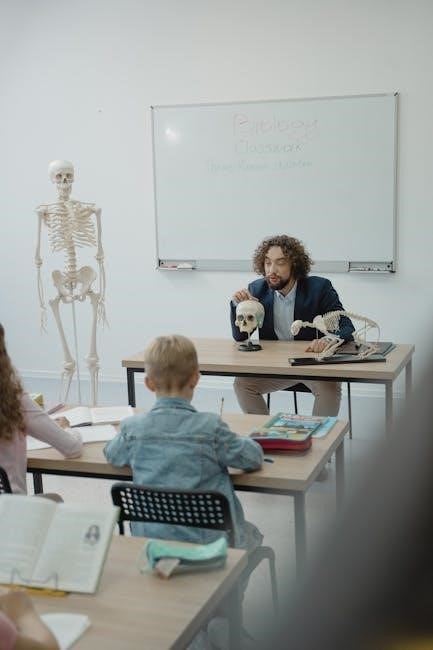
The pursuit of a free PDF version of “Those Who Can Teach” stems from several understandable motivations, primarily financial constraints. The cost of textbooks can be a significant burden for students, particularly those already facing economic hardship. A free PDF offers a viable alternative, removing this financial barrier to essential learning materials. Accessibility is another key driver; a digital copy allows for convenient access on various devices – laptops, tablets, and smartphones – facilitating study anytime, anywhere.
For individuals unable to attend traditional classes, the PDF provides a self-paced learning resource. It caters to those seeking to enhance their professional development or transition into the teaching profession without formal enrollment. The digital format also enables easy searching and note-taking, improving comprehension and retention.
However, it’s crucial to acknowledge the ethical and legal considerations surrounding free PDF downloads, which will be discussed in subsequent sections. The desire for accessible education is valid, but responsible sourcing is paramount.
Legality and Ethics of Downloading PDF Copies
Downloading PDF copies of copyrighted textbooks like “Those Who Can Teach” without proper authorization raises significant legal and ethical concerns. Copyright law protects the intellectual property of authors and publishers, granting them exclusive rights to distribute and reproduce their work. Unauthorized downloading constitutes copyright infringement, potentially leading to legal repercussions, including fines and lawsuits.
Ethically, circumventing copyright protections undermines the efforts of educators and publishers who invest time and resources in creating valuable learning materials. It devalues their work and discourages future contributions to the field of education. Supporting legitimate channels for acquiring textbooks ensures authors are compensated fairly and publishers can continue to produce high-quality resources.
While the desire for affordable access is understandable, resorting to illegal downloads is not a justifiable solution. Exploring legal alternatives, such as library access or purchasing used copies, demonstrates respect for intellectual property rights and supports the educational ecosystem.
Potential Risks of Unofficial Downloads (Malware, Viruses)
Seeking a free PDF of “Those Who Can Teach” from unofficial sources exposes users to substantial security risks. Websites offering pirated content are frequently breeding grounds for malware, viruses, and other malicious software. These threats can compromise your device, steal personal information, and disrupt your digital life.
Downloaded files may be disguised as legitimate PDFs but contain hidden code designed to install harmful programs without your knowledge. Such malware can range from annoying adware to sophisticated ransomware that encrypts your files and demands a ransom for their release. The risk is amplified when downloading from unfamiliar or untrustworthy websites.
Protecting your digital security requires caution. Avoid downloading PDFs from unverified sources and ensure your antivirus software is up-to-date. Consider using a reputable PDF reader with built-in security features. Prioritizing legal and official channels for acquiring educational materials minimizes the risk of encountering these dangerous threats and safeguards your valuable data.

Official Sources for Purchasing the Textbook
For a secure and legitimate copy of “Those Who Can Teach,” 15th Edition, several official sources are readily available. Directly purchasing from the publisher ensures you receive an authentic, high-quality textbook free from the risks associated with unofficial downloads.
Major online retailers like Amazon and Barnes & Noble consistently stock the latest edition in various formats – including physical copies and authorized digital versions. University bookstores are also reliable sources, often offering student discounts and convenient campus access. Checking the publisher’s official website (if known) is another excellent option, potentially providing exclusive deals or bundled resources.

Purchasing through these channels supports the authors and publishers, contributing to the continued development of valuable educational materials. It also guarantees access to any supplementary resources or updates that may accompany the textbook. Avoid the potential pitfalls of piracy and invest in a legitimate copy for a reliable learning experience.
Alternative Legal Access Options (Library, Institutional Access)
Beyond direct purchase, several legitimate avenues offer access to “Those Who Can Teach,” 15th Edition, without resorting to unauthorized downloads; Public and university libraries frequently maintain copies of essential textbooks, including this one, available for borrowing. This provides a cost-effective solution, particularly for short-term study needs.
If you are a student or faculty member, explore institutional access options. Many universities subscribe to digital libraries or platforms that provide access to required course materials, potentially including an electronic version of the textbook. Check with your institution’s library or IT department for details on available resources.
Furthermore, some educational institutions may offer textbook rental programs, providing a temporary, affordable alternative to purchasing. These options ensure legal and ethical access to the material, supporting both the academic community and the rights of the authors and publishers. Utilizing these resources promotes responsible learning practices.
Exploring Online Learning Platforms Offering Course Materials
A growing number of online learning platforms are partnering with publishers to offer digital access to textbooks like “Those Who Can Teach,” 15th Edition. Platforms such as Coursera, edX, and even specialized teacher education websites may integrate the textbook as a core component of their courses.
While a full course enrollment might be required, this often presents a more affordable alternative than purchasing the textbook outright, especially if you’re seeking broader professional development. These platforms frequently offer flexible learning schedules and supplementary materials, enhancing the overall educational experience.
Investigate whether any online courses relevant to teacher education utilize the 15th edition. Some platforms may offer rental options for the digital textbook specifically for the duration of the course. Remember to carefully review the terms and conditions to understand the access limitations and associated costs. This approach provides a legal and structured way to engage with the material.
The Role of “Those Who Can Teach” in Teacher Education
“Those Who Can Teach” has long been a cornerstone text in teacher education programs globally, particularly for those preparing to teach English as a second or foreign language. Its comprehensive approach to pedagogy, encompassing methodologies and practical classroom strategies, makes it invaluable for both pre-service and in-service teachers.

The textbook’s strength lies in its ability to bridge theoretical concepts with real-world application, equipping educators with the tools to effectively engage students and address diverse learning needs. It fosters critical thinking about teaching practices and encourages a reflective approach to professional development.
Universities frequently choose this text for its thorough coverage of essential topics. The 15th edition builds upon this foundation, incorporating contemporary research and addressing emerging challenges in education. Its influence extends beyond initial training, serving as a valuable reference throughout a teacher’s career, promoting continuous learning and adaptation.
Core Concepts Covered in the Textbook
“Those Who Can Teach” delves into a wide array of core concepts crucial for effective teaching, extending beyond mere subject matter expertise. A central theme is the importance of understanding how students learn, exploring various learning styles and cognitive processes. The book emphasizes creating a positive and inclusive classroom environment where all students feel valued and supported.
Key areas of focus include lesson planning, assessment techniques, and classroom management strategies. It provides guidance on differentiating instruction to meet the needs of diverse learners, including those with special needs. Furthermore, the textbook stresses the significance of communication skills – both verbal and non-verbal – in building rapport with students.
The text also examines the role of technology in education, offering insights into integrating digital tools to enhance learning. It encourages educators to embrace a reflective practice, constantly evaluating their methods and seeking opportunities for improvement, fostering a dynamic and responsive teaching approach.
Target Audience: Who Benefits from This Book?
“Those Who Can Teach” primarily targets individuals actively engaged in or preparing for a career in education. This encompasses pre-service teachers – students currently enrolled in teacher education programs – seeking a comprehensive overview of pedagogical principles and practical classroom strategies. It’s also invaluable for in-service teachers, providing a resource for professional development and staying current with evolving educational best practices.

The book’s scope extends beyond traditional classroom teachers, benefiting educators in diverse settings such as vocational schools, adult education centers, and specialized learning environments. Those considering a career change into teaching will find it a foundational text, offering a realistic and insightful look into the profession.
Furthermore, the textbook is useful for educational administrators and policymakers seeking to understand the challenges and opportunities facing teachers today. Even parents interested in supporting their children’s learning can gain valuable insights from its content, promoting a collaborative approach to education.
Common Search Queries Related to the PDF Download
Users seeking the “Those Who Can Teach” 15th edition often employ a variety of search terms online, reflecting their desire for accessible and affordable learning materials. Common queries include “Those Who Can Teach 15th edition PDF free download,” “download Those Who Can Teach PDF,” and “Those Who Can Teach 15th edition free.” Variations also appear, such as “Those Who Can Teach PDF online,” and searches specifying the author or ISBN.
Related searches reveal a broader need for educational resources, with terms like “teacher education textbooks PDF” and “free teaching resources” frequently appearing. Some users specifically seek information on accessing the book for those unable to attend classes or facing financial constraints. Queries like “Where can I find a free PDF of Those Who Can Teach?” demonstrate this need.
Interestingly, searches also correlate with technical specifications, as evidenced by terms like “VW T-Roc technical data,” suggesting users may inadvertently land on this article while researching unrelated topics. This highlights the importance of clear and targeted content.
Examining the Textbook’s Focus on Modern Pedagogy
“Those Who Can Teach” consistently emphasizes modern pedagogical approaches, evolving with the changing landscape of education. The 15th edition likely builds upon this foundation, incorporating current research and best practices in teaching methodologies. It addresses the need for educators to move beyond traditional lecture-based formats and embrace student-centered learning.
The textbook likely explores techniques for fostering student engagement, promoting critical thinking, and utilizing technology effectively in the classroom. It probably delves into differentiated instruction, catering to diverse learning styles and needs. Furthermore, it likely stresses the importance of formative assessment to guide instruction and monitor student progress.
Considering the provided context, the book probably advocates for teamwork and communication skills, recognizing their crucial role in both teaching and student development; It likely offers practical strategies for creating a positive and inclusive learning environment, preparing educators for the challenges of contemporary classrooms. The focus is on equipping teachers with the tools to effectively reach all learners.
The Importance of Teamwork and Communication Skills in Teaching
“Those Who Can Teach” undoubtedly highlights the critical role of teamwork and communication in effective teaching. The 15th edition likely reinforces this, recognizing that modern education rarely occurs in isolation. Collaboration with colleagues – sharing best practices, co-planning lessons, and providing peer support – is presented as essential for professional growth and improved student outcomes.
Effective communication extends beyond interactions with fellow educators. The textbook likely emphasizes the importance of clear and empathetic communication with students, parents, and administrators. This includes active listening, providing constructive feedback, and adapting communication styles to diverse audiences.
The provided snippets suggest that numerous activities can cultivate these skills, extending beyond formal classroom settings. The book likely explores strategies for building rapport, resolving conflicts, and fostering a collaborative learning environment. It probably stresses that strong interpersonal skills are fundamental not only for teaching success but also for preparing students for future careers.
Language Teaching Methodologies Discussed in the Book
“Those Who Can Teach,” particularly in its 15th edition, likely dedicates significant attention to diverse language teaching methodologies. Given the global demand for English language instruction – as noted in the provided text referencing universities worldwide choosing to teach in English – the book probably covers a spectrum of approaches.
Expect discussions on communicative language teaching (CLT), focusing on real-life communication and fluency. Task-based language teaching (TBLT), where learning is driven by completing meaningful tasks, is also a strong possibility. The textbook may also explore more traditional methods, analyzing their strengths and weaknesses in contemporary contexts.
Considering the emphasis on modern pedagogy, the 15th edition likely incorporates discussions on technology-enhanced language learning (TELL), utilizing digital tools and resources. Furthermore, it might address differentiated instruction, catering to the varied learning needs of students. The book probably encourages teachers to critically evaluate and adapt methodologies based on their specific teaching context and student population.
Addressing Challenges in Education – Insights from the Textbook
“Those Who Can Teach” undoubtedly addresses the multifaceted challenges inherent in modern education. The provided text alludes to “bad schools” and “inferior” institutions where individuals can be harmed, suggesting the book confronts issues of educational inequality and access. It likely explores strategies for supporting students from diverse backgrounds and with varying learning needs.
The textbook probably delves into classroom management techniques, addressing disruptive behavior and fostering a positive learning environment. Considering the importance of communication skills highlighted elsewhere, it may offer guidance on navigating difficult conversations with students, parents, and colleagues.
Furthermore, the book likely examines the impact of societal factors on education, such as poverty, trauma, and systemic biases. It might propose solutions for creating more inclusive and equitable learning experiences. The text’s mention of holding one’s tongue and speaking fast suggests the book could address the importance of thoughtful communication in challenging situations within the educational landscape.
The Textbook’s Perspective on Student Engagement
“Those Who Can Teach” likely emphasizes the critical role of student engagement in effective learning. The provided snippets suggest a focus on fostering active participation and creating meaningful learning experiences. The book probably moves beyond traditional lecture-based methods, advocating for interactive strategies that cater to diverse learning styles.
Considering the emphasis on teamwork and communication, the textbook likely promotes collaborative learning activities, encouraging students to learn from one another. It may explore techniques for sparking curiosity and motivating students to take ownership of their learning. The idea of “better questions” – those not answerable with a simple yes or no – hints at a focus on critical thinking and deeper understanding.

Furthermore, the book likely addresses the importance of creating a supportive and inclusive classroom environment where students feel safe to take risks and express themselves. It may offer practical strategies for building rapport with students and fostering a sense of belonging, ultimately leading to increased engagement and academic success.
Technical Specifications and Edition Details (ISBN, Publisher)
Pinpointing the exact ISBN and publisher for the 15th edition of “Those Who Can Teach” requires further investigation, as this information isn’t directly provided in the given text snippets. However, understanding technical details is crucial for identifying the correct edition when searching for a PDF download.
The snippets do contain a potential lead: a URL referencing “izd-mn.com/PDF/44MNNPU20.pdf”. This suggests a publisher potentially associated with a Russian-language edition, which may differ from English-language versions.
Generally, textbooks include an ISBN (International Standard Book Number) on the copyright page, uniquely identifying the edition. The publisher’s name and location are also prominently displayed. Knowing these details is vital to verify the authenticity of any downloaded PDF and ensure it corresponds to the desired 15th edition.
Further research using online booksellers and library catalogs will be necessary to confirm the precise ISBN, publisher, and publication date for this specific edition.

VW T-Roc Technical Data Relevance (Unexpected Search Correlation)
The inclusion of “VW T-Roc Technical Data” in search results alongside “Those Who Can Teach 15th Edition PDF Free Download” appears as an anomalous correlation. This likely stems from search engine algorithms identifying keywords like “technical data” and potentially linking them due to user search patterns or website co-occurrence.
The provided snippets detail specifications for the VW T-Roc, including engine performance, dimensions (length, height, width), fuel consumption, and model years (2022-2025). These details are entirely unrelated to the educational textbook.
This highlights a common challenge in online searches: irrelevant results arising from keyword ambiguity; Users seeking textbook information may inadvertently trigger results for automotive specifications.
The presence of this correlation underscores the importance of refining search queries with specific terms like “teacher education textbook,” “language teaching methodology,” or the author’s name to filter out unrelated content. It’s a reminder that search engines don’t always understand context.
Finding Reliable Educational Resources
Ultimately, securing a legitimate copy of “Those Who Can Teach,” 15th Edition, is paramount for effective teacher education. While the allure of a free PDF download is understandable, the associated risks – malware, viruses, and ethical concerns – outweigh the convenience.
Prioritizing official purchasing channels, such as the publisher’s website or reputable booksellers, guarantees access to a verified and updated version of the textbook. Exploring alternative legal avenues like library access or institutional subscriptions offers cost-effective solutions.
Online learning platforms may also integrate course materials, providing a legally compliant means of accessing the content. Remember, supporting authors and publishers ensures the continued production of valuable educational resources.
The search for accessible learning shouldn’t compromise integrity. Diligent research and a commitment to ethical practices are crucial when navigating the digital landscape for educational materials. Prioritize quality, legality, and security when obtaining essential textbooks.