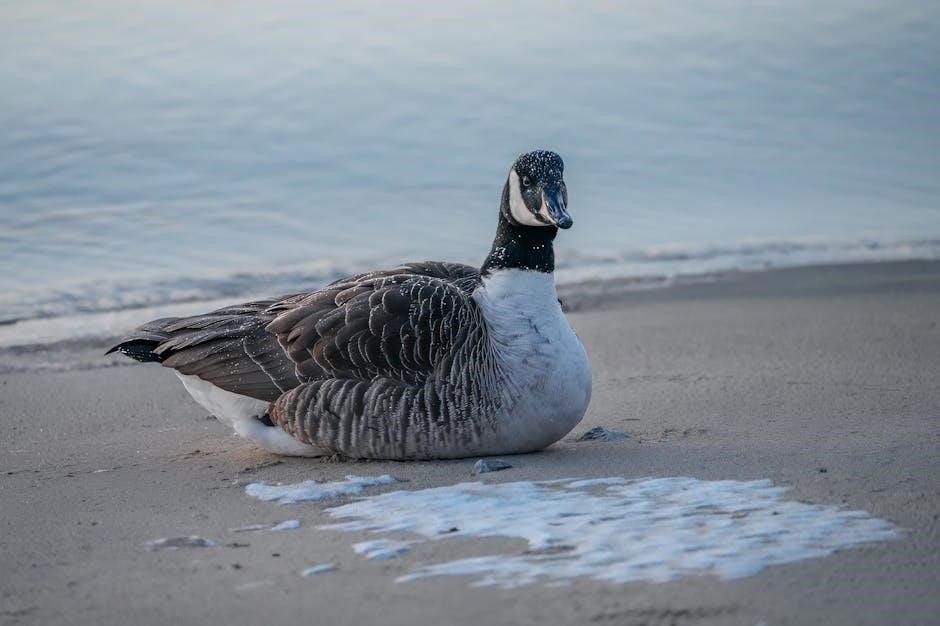
guided snow goose hunts
Guided Snow Goose Hunts: A Comprehensive Plan (as of 03/26/2026)
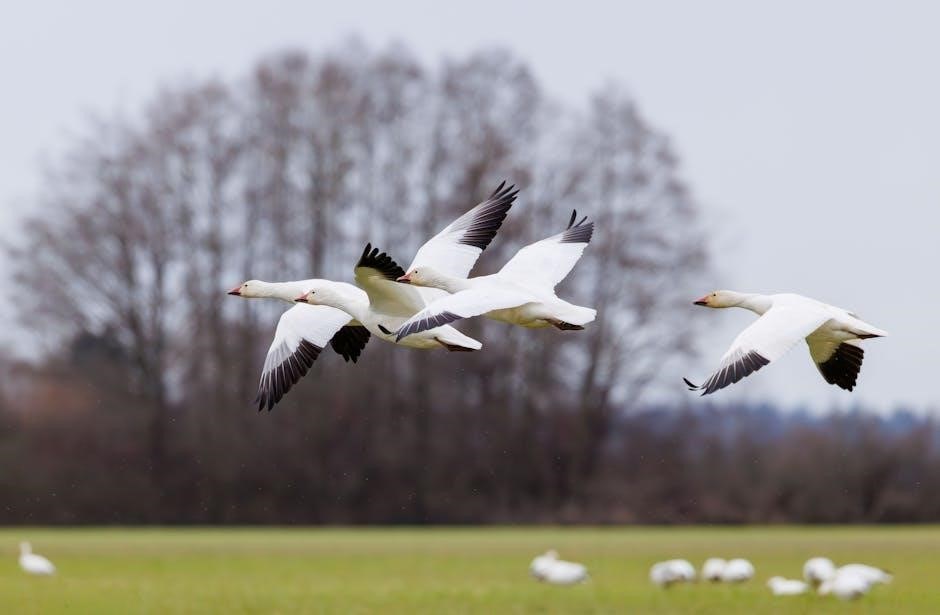
Despite loosened restrictions, snow geese remain wary, demanding expert strategies. Professional guides offer invaluable assistance, enhancing success rates for hunters seeking impactful conservation participation.
Snow goose hunting, particularly through conservation hunts, has surged in popularity, driven by the unique opportunities it presents. These hunts aren’t simply about harvesting birds; they are actively contributing to wildlife management and ecosystem health. However, the inherent challenges of hunting these incredibly wary birds often lead hunters to seek the expertise of guided hunts.
Choosing a guided hunt significantly increases your chances of success. Experienced guides possess intimate knowledge of snow goose behavior, migration patterns, and effective hunting techniques. They understand that impacting populations requires strategic approaches, as even world-champion callers sometimes struggle against the birds’ adaptability. Furthermore, navigating the complex regulations surrounding conservation orders – like those evolving in Saskatchewan with shortened non-resident licenses – is simplified with a professional outfitter.
Understanding snow goose behavior is paramount. These birds are highly intelligent and respond quickly to pressure, making consistent success difficult without specialized knowledge. Guides leverage this understanding to maximize hunting opportunities.
Conservation hunts are increasingly popular, yet snow geese are notoriously difficult to hunt. Guided hunts offer expertise, navigating regulations and maximizing success for dedicated hunters.
I.1. The Popularity of Conservation Hunts
The surge in popularity of conservation hunts, specifically targeting snow geese, stems from a unique intersection of sporting opportunity and wildlife management. The U.S. Fish and Wildlife Service’s conservation order, designed to control expanding snow goose populations, has opened doors for extended seasons and liberal bag limits. This attracts hunters eager to participate in a proactive conservation effort while enjoying a challenging and rewarding hunt.
However, the effectiveness of these hunts is a complex issue. Reports indicate that even experienced hunters, like world-champion duck callers, find it difficult to significantly impact overall population numbers due to the birds’ wariness and adaptability. This highlights the need for strategic hunting approaches and, increasingly, the value of guided hunts. The conservation order’s success relies on consistent hunter participation, and the appeal of a guided experience can encourage broader involvement.
The appeal isn’t solely about bag limits; it’s about contributing to ecosystem health. Overabundant snow goose populations can negatively impact breeding grounds, and hunters play a vital role in mitigating these effects. This conservation aspect resonates with many modern hunters, driving the demand for these specialized hunts;
I.2. Why Choose a Guided Hunt?
Selecting a guided snow goose hunt offers significant advantages, particularly given the challenges inherent in pursuing these wary birds. As noted, even seasoned hunters struggle to consistently harvest snow geese due to their adaptability and the vastness of their range. Guides possess intimate knowledge of local snow goose behavior, migration patterns, and preferred feeding locations – crucial information for maximizing success.
Furthermore, guides provide access to prime hunting locations, often secured through long-term leases or established relationships with landowners. They also supply essential equipment, including decoys, blinds, and calls, alleviating the logistical burden for hunters. This is especially beneficial for non-resident hunters unfamiliar with local regulations, as seen with recent changes to non-resident licenses in Saskatchewan.
Beyond logistics, guides enhance the overall hunting experience. They expertly deploy decoys, skillfully utilize calls, and provide valuable instruction on effective shooting techniques. Ultimately, a guided hunt increases the likelihood of a successful and ethically conducted conservation effort, contributing to population management goals.
I.3. Understanding Snow Goose Behavior
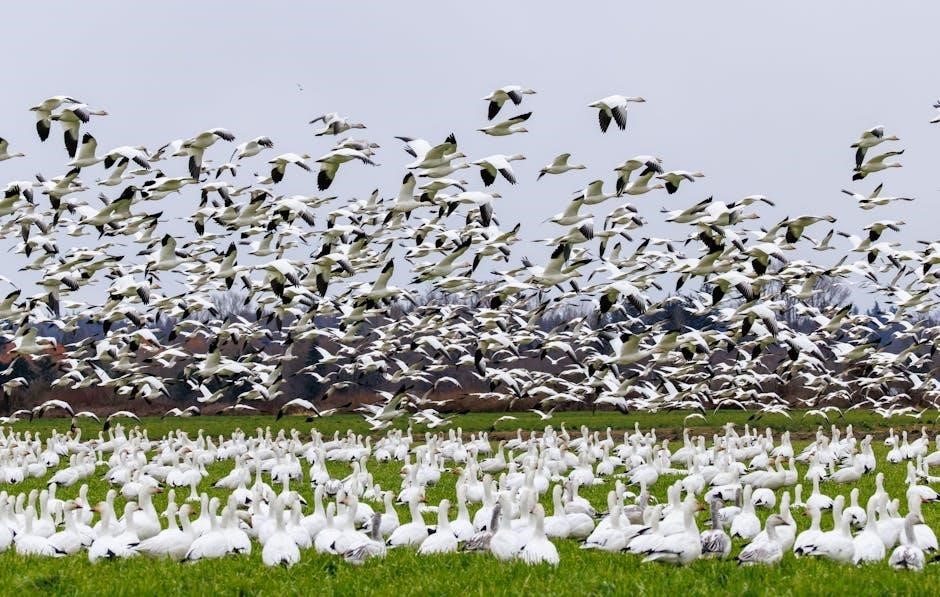
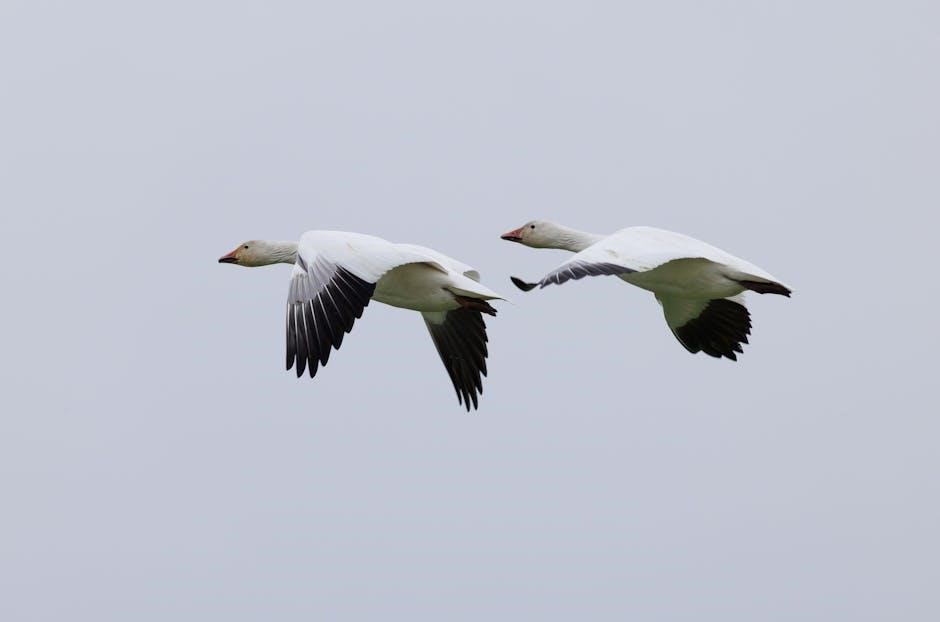
Snow geese exhibit complex behaviors that significantly impact hunting strategies. Their inherent wariness, highlighted by recent reports of limited hunter impact despite conservation efforts, demands a deep understanding of their habits. These birds are highly observant, constantly scanning for threats and readily altering their flight paths in response to perceived danger.
Snow geese typically feed in agricultural fields, often switching locations based on food availability and disturbance levels. They are social creatures, traveling and feeding in large flocks, making decoy spreads crucial for attracting their attention. Wind direction plays a vital role, influencing their approach to fields; guides expertly leverage this knowledge for optimal blind placement.
Understanding their calling patterns is also key. Snow geese possess a diverse vocal repertoire, and mimicking these calls effectively can draw birds closer. However, improper calling can spook them, reinforcing their cautious nature. Successful hunts hinge on anticipating their movements and adapting strategies based on real-time observations of their behavior.
II. The Conservation Order & Regulations
The U.S. Fish and Wildlife Service’s conservation order allows extended seasons, yet navigating regulations is vital. State-specific rules, like Saskatchewan’s license term changes, require diligent hunter awareness.
II.1. U.S. Fish and Wildlife Service Regulations
The U.S. Fish and Wildlife Service (USFWS) plays a pivotal role in managing snow goose populations through a unique Conservation Order. This order, implemented due to historically high snow goose numbers, allows for extended hunting seasons and liberal bag limits beyond traditional waterfowl regulations. The core objective is population control, addressing the ecological damage caused by overabundant geese to breeding grounds in the Arctic and subarctic regions.
However, participation isn’t unrestricted. Hunters must adhere to specific stipulations outlined by the USFWS. These include requirements for electronic caller usage – often mandated, unlike typical duck hunting – and stipulations regarding shooting hours. Reporting harvested birds is frequently required, contributing to ongoing population monitoring efforts. Furthermore, the Conservation Order is subject to annual review and modification based on population surveys and ecological assessments.
Guided hunts operate within this framework, with reputable outfitters ensuring full compliance with all federal regulations. They understand the nuances of the order and proactively manage hunts to align with USFWS guidelines, providing a legally sound and ethically responsible hunting experience for their clients. Ignoring these regulations can result in significant penalties, emphasizing the importance of informed participation.
II.2. Conservation Order Details & Purpose
The Conservation Order for snow geese isn’t a standard hunting season; it’s a targeted management strategy. Initiated due to the dramatic increase in the Midcontinent Population of snow geese, the Order aims to mitigate the detrimental effects of overgrazing on fragile Arctic and subarctic breeding habitats. These habitats, crucial for numerous bird species, were experiencing significant degradation due to the sheer number of geese.
The Order’s details are intentionally flexible, allowing for extended seasons and liberal bag limits – often with no daily limits – to maximize harvest potential. Electronic calls, typically restricted in waterfowl hunting, are generally permitted, recognizing their effectiveness in attracting large flocks. However, this flexibility is coupled with stringent reporting requirements, enabling the USFWS to track harvest rates and assess the Order’s impact.
The underlying purpose extends beyond simply reducing goose numbers. It’s about restoring ecological balance and preserving the long-term health of vital breeding grounds. Guided hunts actively contribute to this conservation effort, providing hunters with a unique opportunity to participate in proactive wildlife management while enjoying a challenging and rewarding sporting experience.
II.3. State-Specific Regulations (Arkansas, Saskatchewan examples)
While the USFWS provides the overarching Conservation Order framework, individual states and provinces implement specific regulations impacting guided snow goose hunts. Arkansas, a premier snow goose destination, generally aligns with federal guidelines but may have localized restrictions on shooting hours or permitted hunting methods within specific Wildlife Management Areas.
Recent changes in Saskatchewan demonstrate a trend towards stricter non-resident hunting regulations. Historically, non-resident game bird licenses were valid for extended periods. However, responding to hunter feedback and concerns about resource access, the province is shortening license terms, potentially impacting the duration of guided hunts for non-residents. Outfitters must stay current with these evolving rules.
These variations highlight the importance of thorough pre-hunt research. Guided outfitters are responsible for ensuring clients are fully informed about all applicable regulations, including license requirements, bag limits, and any specific restrictions pertaining to the hunting location. Compliance is paramount for both hunters and outfitters to maintain the integrity of the Conservation Order.
III. Gear and Equipment for Snow Goose Hunting
Effective snow goose hunting demands specialized gear, including appropriate shotguns, ample ammunition, strategic decoy setups, and versatile calling systems for attracting wary birds.
III.1. Shotguns & Ammunition (Gauge, Load)
Selecting the right shotgun and ammunition is paramount for a successful snow goose hunt, particularly given the distances involved and the birds’ resilience. While 12-gauge shotguns remain incredibly popular due to their versatility and readily available ammunition, many experienced snow goose hunters are increasingly opting for 10-gauge or even 12-gauge with heavier loads.
The primary reason for this shift is increased effective range and knockdown power. Snow geese often hold at considerable distances, requiring shots that maintain velocity and energy. Steel shot is, of course, mandatory, and load sizes typically range from BB to 1, with BB being a common choice for its balance of range and pattern density.
Heavier loads, such as 1 ½ oz or even 2 oz of steel shot, are frequently employed to ensure sufficient energy transfer on these large birds. Outfitters often recommend specific loads based on the anticipated hunting conditions and typical shot distances. Furthermore, consider using non-toxic shot alternatives approved for conservation hunts, ensuring compliance with all regulations.
III.2. Decoys: Types and Deployment Strategies
Decoys are absolutely critical in snow goose hunting, serving as the visual attractant that draws birds within range. Full-body decoys are the most realistic and effective, mimicking a feeding flock and proving particularly alluring to migrating snow geese. However, they require significant storage space and setup time.
Socks, a lighter and more portable option, are also widely used, especially for larger spreads. Shell decoys offer a compromise between realism and portability. The key to successful deployment lies in creating a realistic spread that appears natural to approaching birds.
Outfitters often employ “flagging” techniques, using decoys on stakes to create movement and attract attention. Varying decoy postures – feeding, resting, and alert – adds to the realism. Wind direction plays a crucial role; set up the spread so birds land into the wind. Large spreads, sometimes numbering in the hundreds, are common, maximizing visibility and drawing in distant flocks.
III.3. Calls: Electronic vs. Manual
Snow goose calling is a nuanced art, and hunters have a choice between electronic and manual calls. Electronic calls, pre-programmed with realistic snow goose sounds, offer convenience and consistency, especially for less experienced callers. They can cover vast distances and attract attention from birds well beyond visual range, proving invaluable in expansive fields.
However, manual calls allow for greater control and subtlety, enabling skilled callers to mimic specific goose vocalizations – feeding chatter, greeting calls, and mournful wails – to manipulate bird behavior. World-champion callers, like Antonio Jones, demonstrate the effectiveness of mastering manual techniques.
Many guides utilize a combination of both, using electronic calls for initial attraction and switching to manual calls as birds approach, creating a more realistic and enticing soundscape. The best approach depends on the hunter’s skill level, the hunting situation, and the prevailing wind conditions.
III.4. Blind & Camouflage Considerations
Effective snow goose hunting hinges on concealment. Layout blinds are the preferred choice for many, offering a low profile that blends seamlessly into snow-covered fields. These blinds are designed to be nearly invisible from above, crucial as snow geese often approach from high altitudes.
Camouflage is paramount. White or snow-patterned outerwear is essential, and covering exposed skin is non-negotiable. Many guides provide clients with camouflage suits to ensure uniformity and maximize concealment within the hunting spread.
Beyond clothing, attention to detail matters. Avoid shiny objects, and ensure all equipment – including shotguns and calls – are appropriately camouflaged. Wind direction plays a role; position blinds to minimize the chance of birds detecting movement. A well-executed camouflage strategy significantly increases the likelihood of decoying birds into shooting range, contributing to a successful and ethical hunt.
IV. The Guided Hunt Experience
Professional outfitters streamline the hunt, providing expertise, equipment, and logistical support. This allows hunters to focus on shooting, maximizing their conservation impact and overall enjoyment.
IV.1. What’s Included in a Typical Package?
Guided snow goose hunts generally encompass a comprehensive suite of services designed to maximize hunter success and minimize logistical burdens. A standard package typically includes access to professionally managed hunting grounds, meticulously scouted for optimal snow goose concentrations. Outfitters provide all necessary equipment, such as high-quality layout blinds offering superior concealment, and substantial spreads of realistic decoys – crucial for attracting wary birds.
Furthermore, packages usually cover the use of electronic and manual calls, expertly wielded by guides to entice flocks within range. Ammunition is often included, or available for purchase on-site, eliminating the hassle of transport. Many outfitters also handle bird care post-hunt, offering cleaning and processing services. Lodging and meals are frequently part of the package, ranging from comfortable hunting lodges to nearby hotel accommodations;
Transportation to and from hunting locations is almost always provided, ensuring hunters can focus solely on the hunt. Finally, experienced guides offer invaluable expertise, from calling techniques to field strategy, significantly increasing the chances of a successful and memorable conservation hunt.
IV.2. Benefits of Hunting with Professional Guides
Engaging a professional guide for your snow goose hunt offers substantial advantages, particularly given the birds’ inherent wariness and the complexities of conservation hunts. Guides possess intimate knowledge of local snow goose behavior, migration patterns, and preferred feeding locations – information crucial for consistent success. They expertly interpret wind direction and field selection, maximizing decoy spread effectiveness.
Furthermore, guides alleviate the logistical burdens of planning and execution. They handle scouting, setup, and breakdown, allowing hunters to concentrate on shooting. Their proficiency with calls, both electronic and manual, dramatically increases the likelihood of drawing birds into range. Experienced guides also ensure adherence to all relevant U.S. Fish and Wildlife Service regulations and state-specific rules, like those in Arkansas or Saskatchewan.
Ultimately, a guide’s expertise translates to a higher success rate, a more enjoyable experience, and a greater contribution to vital snow goose conservation efforts. Even seasoned hunters benefit from their insights.
IV.3. Finding Reputable Outfitters
Selecting a reputable outfitter is paramount for a successful and ethical snow goose hunt. Begin by seeking recommendations from fellow hunters and online forums dedicated to waterfowl hunting; Thoroughly investigate potential outfitters’ websites, scrutinizing their experience, guide qualifications, and client testimonials.
Verify that the outfitter possesses all necessary licenses and permits, ensuring legal and responsible operation. Inquire about their conservation practices and commitment to ethical hunting. A responsible outfitter will prioritize sustainable hunting methods and adherence to all regulations, including those set by the U.S. Fish and Wildlife Service and specific state guidelines like those in Arkansas or Saskatchewan.
Don’t hesitate to ask detailed questions regarding included services, pricing transparency, and cancellation policies. A clear and comprehensive response indicates professionalism and trustworthiness. Prioritize outfitters demonstrating a genuine passion for snow goose conservation and a dedication to providing a premium hunting experience.
V. Hunting Techniques & Strategies
Effective snow goose hunting relies on skillful deployment of decoys, strategic blind placement, and proficient use of calls – both electronic and manual – to lure wary birds.
V.1. Layout Blind Hunting
Layout blinds represent a cornerstone of successful snow goose hunting, particularly during conservation hunts where concealing movement is paramount. These low-profile blinds, often camouflaged with vegetation or netting, allow hunters to remain hidden within the field, blending seamlessly with the surrounding environment.
Guided hunts frequently utilize layout blinds due to their effectiveness in deceiving large flocks of snow geese. The key lies in proper setup and concealment. Guides expertly position blinds to maximize shooting angles while minimizing visibility to incoming birds. They understand wind direction and bird flight patterns, crucial for anticipating where geese will approach.
Successful layout blind hunting also demands discipline from hunters. Minimal movement is essential; even subtle shifts can alert wary geese. Guides emphasize the importance of remaining still and quiet until birds are within range. Furthermore, they often employ a “blind rotation” strategy, shifting positions between sets to avoid burning out a particular location. This technique, combined with strategic decoy placement, significantly increases the chances of bagging birds during the conservation season.
V.2. Field Hunting Tactics
Beyond layout blinds, effective field hunting tactics are vital for maximizing success during guided snow goose hunts. These strategies center around understanding goose behavior and exploiting their natural tendencies. Guides meticulously scout fields, identifying areas with recent feeding activity and favorable flight paths.
Decoy spreads play a crucial role, mimicking a feeding or resting flock to attract incoming birds. Guides often employ large, realistic spreads, incorporating different types of decoys – full-body, shells, and socks – to create a natural appearance. The arrangement of decoys is equally important, often featuring “J-hooks” or “V-shapes” to funnel birds into shooting range.
Furthermore, guides utilize strategic calling to entice geese closer. Combining aggressive honks and contented coos, they simulate the sounds of a feeding flock. Constant observation of wind direction and bird flight patterns allows guides to adjust decoy spreads and calling sequences on the fly, ensuring optimal effectiveness throughout the hunt. Adaptability and a keen understanding of goose movements are hallmarks of successful field hunting tactics.
V.3. Using Snow Goose Calls Effectively
Mastering snow goose calls is paramount for a productive hunt, and experienced guides are adept at utilizing both electronic and manual calls to manipulate birds. The key lies in understanding the nuances of snow goose vocalizations and replicating them convincingly. Guides don’t simply blast calls continuously; they employ a strategic approach, mirroring the natural cadence of a flock.
Early in the season, or when birds are distant, aggressive, high-pitched honks are used to grab their attention. As geese approach, guides transition to softer, more contented coos and chatters, simulating a relaxed feeding flock. Varying the tone and rhythm prevents the calling from sounding robotic and maintains the birds’ interest.
Electronic calls can be incredibly effective, particularly for long-range attraction, but guides understand their limitations. They often blend electronic calls with live calling to create a more realistic soundscape. Ultimately, effective calling isn’t just about making noise; it’s about communicating with the birds and inviting them into range.
V.4. Reading the Birds: Wind & Field Selection
Successful snow goose hunting hinges on accurately “reading” the birds, a skill honed by experienced guides. Wind direction is a critical factor; geese typically feed into the wind, allowing them to land comfortably. Guides meticulously scout fields, prioritizing those offering a clear approach path aligned with prevailing winds.
Field selection isn’t solely based on wind, however. Guides assess feeding activity, looking for signs of recent goose use – fresh droppings, disturbed vegetation, and partially consumed crops. Fields adjacent to roosting areas are also prime targets, as geese often stage in these locations before heading to feed.
Observing the birds’ flight patterns provides further clues. Are they consistently using a particular flyway? Are they favoring specific fields? Guides use this information to anticipate where the geese will be and position their setups accordingly. Adaptability is key; conditions can change rapidly, requiring guides to adjust their strategy on the fly.
VI. Post-Hunt Considerations
Ethical harvesting and proper bird care are paramount after a successful hunt. Responsible processing ensures meat quality, while supporting ongoing snow goose conservation efforts remains vital.
VI.1. Bird Care & Processing
Following a guided snow goose hunt, proper bird care is crucial for meat quality and responsible harvesting. Immediately field dressing birds prevents spoilage, initiating the preservation process. Guides often assist with this, demonstrating best practices for efficient and sanitary handling.
Cooling the birds rapidly is essential; many outfitters provide refrigerated transport or access to processing facilities. Breast meat, known for its rich flavor, is often separated for quick freezing. Legs and thighs, while requiring longer cooking times, are equally delicious when prepared correctly.
Professional processing facilities offer services like plucking, packaging, and even smoking or sausage-making. Alternatively, hunters can process birds themselves, utilizing resources like online tutorials and cookbooks specifically tailored to waterfowl. Remember to adhere to all local and state regulations regarding game processing and consumption. Proper handling ensures a rewarding culinary experience and minimizes waste, honoring the conservation principles behind the hunt.
VI.2. Ethical Hunting Practices
Guided snow goose hunts, rooted in conservation efforts, demand a strong commitment to ethical conduct. Responsible hunters prioritize quick, clean kills, minimizing suffering for the birds. This includes proficient shotgun skills and utilizing appropriate ammunition for effective harvests.
Respect for the resource extends to avoiding unnecessary disturbance of non-target species and habitats. Following all regulations set forth by the U.S. Fish and Wildlife Service and state agencies is paramount. Guides play a vital role in reinforcing these principles, ensuring clients understand and adhere to ethical standards.
Retrieving downed birds promptly demonstrates respect for the animal and prevents scavenging. Participating in conservation initiatives, beyond the hunt itself, further exemplifies ethical engagement. A mindful approach, prioritizing sustainability and responsible harvesting, ensures the long-term health of snow goose populations and the continuation of these valuable conservation hunts.
VI.3. Future of Snow Goose Conservation
The future of snow goose conservation hinges on continued adaptive management and hunter participation. While current conservation orders have shown some impact, ongoing monitoring of population trends is crucial, especially given reports of limited impact from even expert hunters.
Adjustments to regulations, like Saskatchewan’s shortening of non-resident licenses, demonstrate a responsiveness to concerns about resource management. Further research into snow goose behavior and migration patterns will refine conservation strategies.
Guided hunts will likely remain a key component, providing a structured and regulated harvest. Collaboration between outfitters, wildlife agencies, and hunters is essential. Promoting ethical hunting practices and supporting continued funding for conservation programs will ensure the long-term sustainability of these magnificent birds and the unique hunting opportunities they provide.